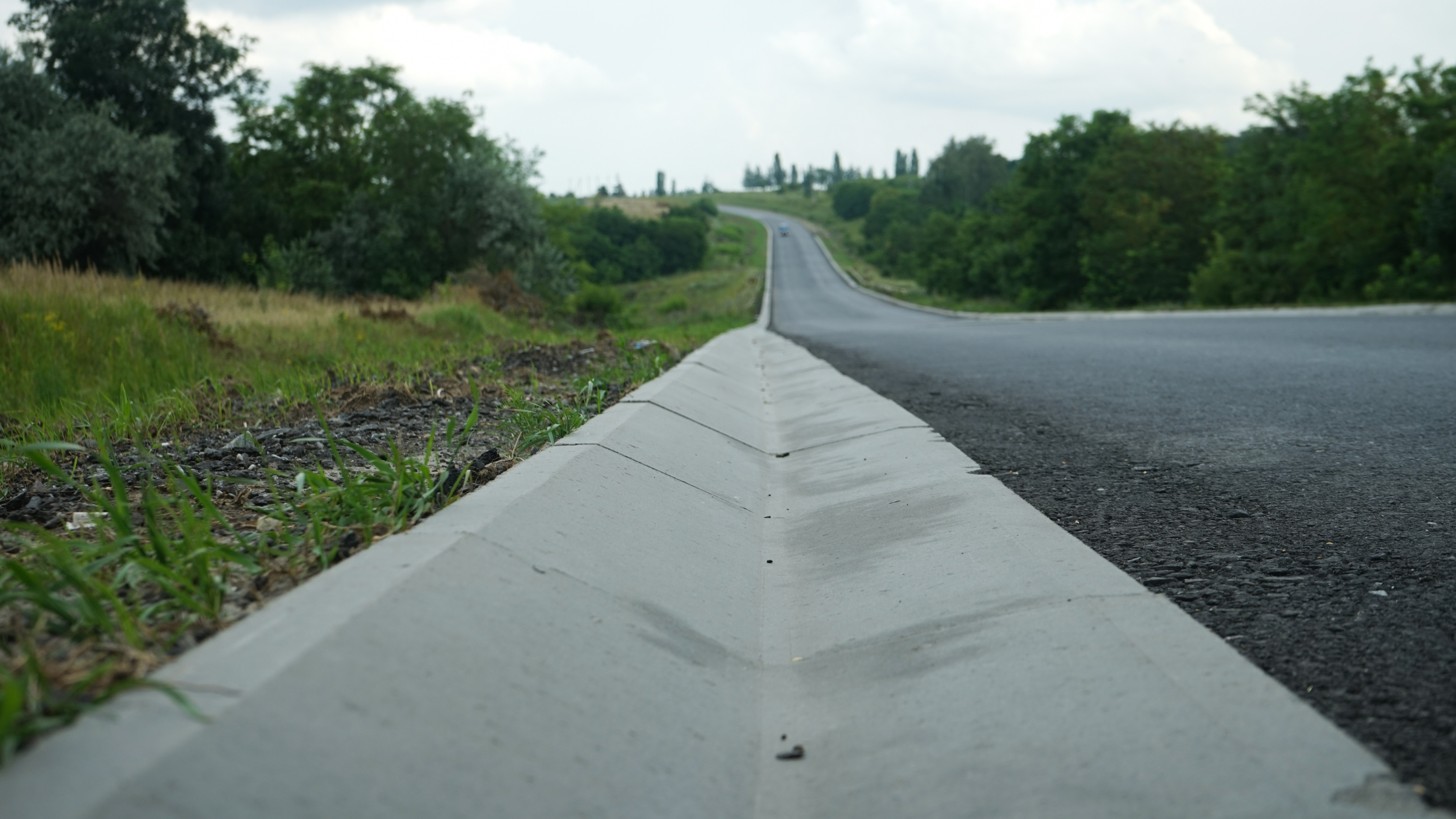
From roads to parking lots to driveways, proper drainage is critical to any paving project. Water is one of the greatest threats to pavement and can quickly damage the life of the pavement if it cannot drain efficiently. Proper drainage is important for any pavement project, no matter the size.
Why Proper Drainage Matters
When pavement fails, it becomes unsafe for use, is unsightly, reflects poorly on the business at hand, and, ultimately, the pavement installer. Inadequate drainage affects pavement in the following ways:
Water Damage
When water seeps into pavement, it becomes susceptible to cracking, potholes, rutting, and other damage. Standing water allows water time to seep into the pavement’s foundation. In cold weather, water that can’t drain away freezes and damages pavement quickly, especially if the water goes through a freeze/thaw cycle. Ice on the pavement’s surface is also dangerous to people and vehicles, increasing the likelihood of slips and accidents.
Structural Damage
More structural damage can occur once water seeps through the aggregate and reaches the pavement’s base and sub-base. Water can cause erosion and wash away finer base layers, creating voids in the base layers. This weakens the pavement’s load-bearing abilities and eventually leads to pavement failure. The base layer can also lose its stiffness as it becomes saturated with water.
Erosion
When drains don’t effectively remove water from the pavement, it doesn’t just affect the pavement. Water runoff can erode the landscaping around the pavement, causing mud and debris to block drains, significantly compounding the drainage problem. Erosion also causes environmental damage.
Financial Impact
The financial cost of improper drainage can be significant. Not only could poorly drained pavement require expensive solutions, but it could also impact vehicles operating on the surface. Vehicles suffer damage from potholes, and standing water can lead to hydroplaning and accidents. Standing water also creates spray as vehicles pass through it, decreasing visibility for drivers and increasing the chance of accidents. Erosion surrounding the pavement can lead to increased landscaping costs and tension with neighboring businesses.
Drainage Solutions
The best drainage solution is a planned one. At the beginning of a pavement project, be sure to conduct a thorough site assessment. Consider soil type, groundwater levels, and any existing drainage.
Surface Solutions
Following appropriate grading and sloping measures allows water to drain from the surface. A slope of 2% to 5% is typical, depending on the project.
Curbs, gutters, and edge drains all assist in proper drainage and should be carefully planned for each project.
Permeable pavement, when appropriate, allows water to drain through it much faster than impermeable pavement.
Subsurface Solutions
Using permeable base or sub-base layers allows surface water to drain more quickly. High-quality base and sub-base materials are typically more permeable, allowing efficient drainage and providing better structural support over time.
Installing French drains is another way to help manage subsurface water drainage. These drains especially help in areas where surface water pools onto the pavement. In a similar vein, perforated pipes beneath the surface allow water to drain without clogging up.
Drainage Maintenance
Regular maintenance is also important to keep your pavement draining properly. Maintenance should include a surface inspection at least every six months to ensure surface drains aren’t clogged with debris. This is particularly important before rainy seasons like the spring or fall. Subsurface drainage systems can also be inspected if necessary, and the slope/grade of the pavement system should also be checked.
With the right preparation, installation, and maintenance, pavement systems avoid water damage and function well for years of service.